 English (UK)

The White Soul of Anatolia
A History of the Meerschaum Pipe
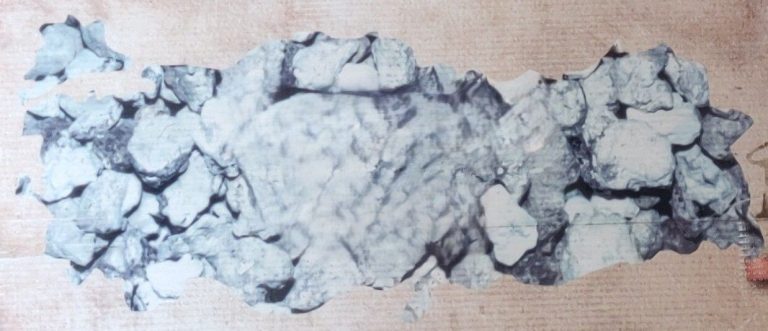
It all begins deep underground. In the dusty shafts around Eskişehir, in villages like Sarisu, Türkmentokat, Sepetçi, and Karatepe, men dig with their bare hands and simple tools for a mineral unlike any other in the world: Lületaşı – Meerschaum. White as marble, porous as a sponge, and so light it floats on water.
For over 250 years, this precious mineral has been extracted from depths of up to 80 meters. It’s no easy work – narrow, suffocating, dangerous. Yet it is a craft passed down from generation to generation. It's not riches that tie people to this art, but pride. The dignity of turning an unremarkable stone into something timeless.
Famous for the purity and homogeneity of its meerschaum.
Traditional mining site with a centuries-long history.
Known for high-quality material for fine processing.
Provides valuable stone for artisans
Ali Osman Denizköpüğü
The King of Meerschaum
In this world, a boy once grew up who would go down in history as the “King of Meerschaum” – Ali Osman Denizköpüğü (1897–1961). He began his work in the 1920s, during a time when pipes were still common in aristocratic salons and literary circles.
Few know that he received his surname “Denizköpüğü” – which means “Meerschaum” – directly from Mustafa Kemal Atatürk himself. A gesture of deep respect for his mastery and contribution to Turkish craftsmanship. Ali Osman Denizköpüğü was not only a master in his own right – he was a teacher and a pioneer. Many of today's pipe carvers trace their roots back to him.
From Eskişehir to Vienna
A Pipe Conquers Europe
As early as the 17th century, the first meerschaum pipes arrived in Europe via Ottoman merchants. In Vienna, where the cool smoke of the “white goddess” was quickly appreciated, the success story took shape. Yet the true heart of this craft always beat in Anatolia.
In 1961, the Turkish government decided to ban the export of raw meerschaum to protect the value of this cultural asset. From then on, the material could only be exported in its finished form – a move that didn’t ease the burden on the craftsmen but instead raised the bar for quality even higher.
Whether this led to an economic renaissance is hard to say. Many of these artisans still live modest lives. Yet their pride in their work and their love for tradition remain unshaken to this day.
From Stone to Artwork
Creating a meerschaum pipe is an act of patience. Each stone is hand-cut, shaped, and carved – every piece is a one-of-a-kind. The finest pipes come from the Sarisu mining region, known for its purity and consistency. Valuable material also comes from Türkmentokat, Sepetçi, and Karatepe, all suitable for detailed craftsmanship.
The finished pipes are carefully sealed in a two-step process to protect the surface. Those who prefer a warm yellow tone may choose a pipe finished with natural beeswax – a technique that supports the pipe’s gradual, signature transformation in color: from honey to amber, to rich chestnut brown with use. A living diary of pleasure.
In the past, it was said that meerschaum pipes should only be touched with velvet gloves to prevent stains. Today, that's no longer necessary. Our pipes are made for real use – beautiful but not shy, artistic but practical.